

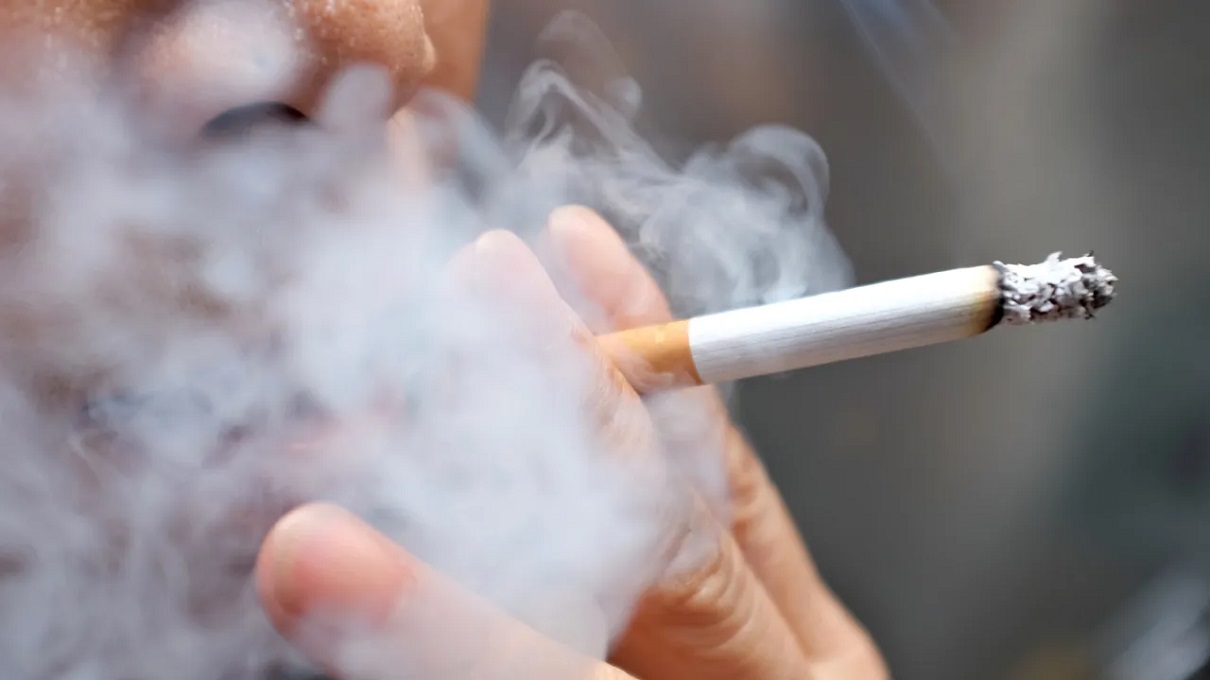
The World Health Organization (WHO) reported that despite concerted efforts by the tobacco industry to impede progress, there has been a significant decline globally in the use of the substance is the world’s single greatest preventable cause of death.
The latest estimates from the WHO’s tobacco trends report highlight a positive trend, indicating that the world is making strides in reducing the prevalence of tobacco consumption.
According to the report, there are currently 1.25 billion adult tobacco users worldwide. However, the trends observed in 2022 demonstrate a continued decline in tobacco use rates globally.
Approximately 1 in 5 adults around the world now consume tobacco, compared to 1 in 3 in the year 2000. Among current U.S. adult cigarette smokers, nearly 70% want to quit, and more than half made a quit attempt in the preceding year.
Dried tobacco leaves are mainly used for smoking in cigarettes and cigars, as well as pipes and shishas. They can also be consumed as snuff, chewing tobacco, dipping tobacco, and snus.
Tobacco use is a cause or risk factor for many deadly diseases, especially those affecting the heart, liver, and lungs, as well as many cancers. In 2008, the World Health Organization named tobacco use as the world’s single greatest preventable cause of death.
The WHO report underscores the success of 150 countries in reducing tobacco use. Brazil and the Netherlands stand out as notable examples, having implemented MPOWER tobacco control measures. Brazil achieved a relative reduction of 35% since 2010, while the Netherlands is on the brink of reaching the 30% target.
Cigarette smoking remains the leading cause of preventable disease and death in the United States, where an estimated 11.5% (28.3 million) of adults reportedly smoked cigarettes.
Cigarette smoking kills more than 480,000 Americans each year and cost the United States more than $600 billion in 2018, including more than $240 billion in healthcare spending and nearly $372 billion in lost productivity, according to the Centers for Disease Control and Prevention.
Dr. Ruediger Krech, Director of WHO Department of Health Promotion, expressed concern over the tactics employed by the tobacco industry to pursue profits at the expense of lives. He stated, “I’m astounded at the depths the tobacco industry will go to manipulate health policies and sell their deadly products.”
Despite the progress, the WHO urges countries to remain vigilant and continue implementing tobacco control policies while resisting interference from the tobacco industry. Currently, the WHO South-East Asian Region and the European Region have the highest tobacco use percentages, with 26.5% and 25.3%, respectively. The report predicts that by 2030, the WHO European Region may have the highest global rates, exceeding 23%.
While the global goal of a 30% reduction from the 2010 baseline may not be fully achieved by 2025, the world is expected to reach a 25% relative reduction in tobacco use. However, only 56 countries globally are projected to meet this goal, down four countries from the 2021 report.
The report also highlights that some countries have seen little change in tobacco use since 2010, and six countries are experiencing a rise in tobacco use. These countries include Congo, Egypt, Indonesia, Jordan, Oman, and the Republic of Moldova.
To protect future generations, WHO emphasizes the need to accelerate efforts for tobacco control. The Global Tobacco Industry Interference Index 2023, published by STOP and the Global Center for Good Governance in Tobacco Control, indicates a deterioration in efforts to protect health policy from increased tobacco industry interference worldwide.
In a bid to address these challenges, WHO plans to dedicate this year’s World No Tobacco Day to “Protecting Children from Tobacco Industry Interference.” Additionally, the upcoming 10th Session of the WHO Framework Convention on Tobacco Control (FCTC) Conference of Parties in Panama is crucial.
The tobacco industry is expected to attempt to influence global health policies through financial and in-kind incentives. WHO stands ready to support countries in defending evidence-based tobacco control measures against industry interference, emphasizing the importance of strengthening the WHO FCTC as a global health priority outlined in the Sustainable Development Goals.


Leave a Reply