

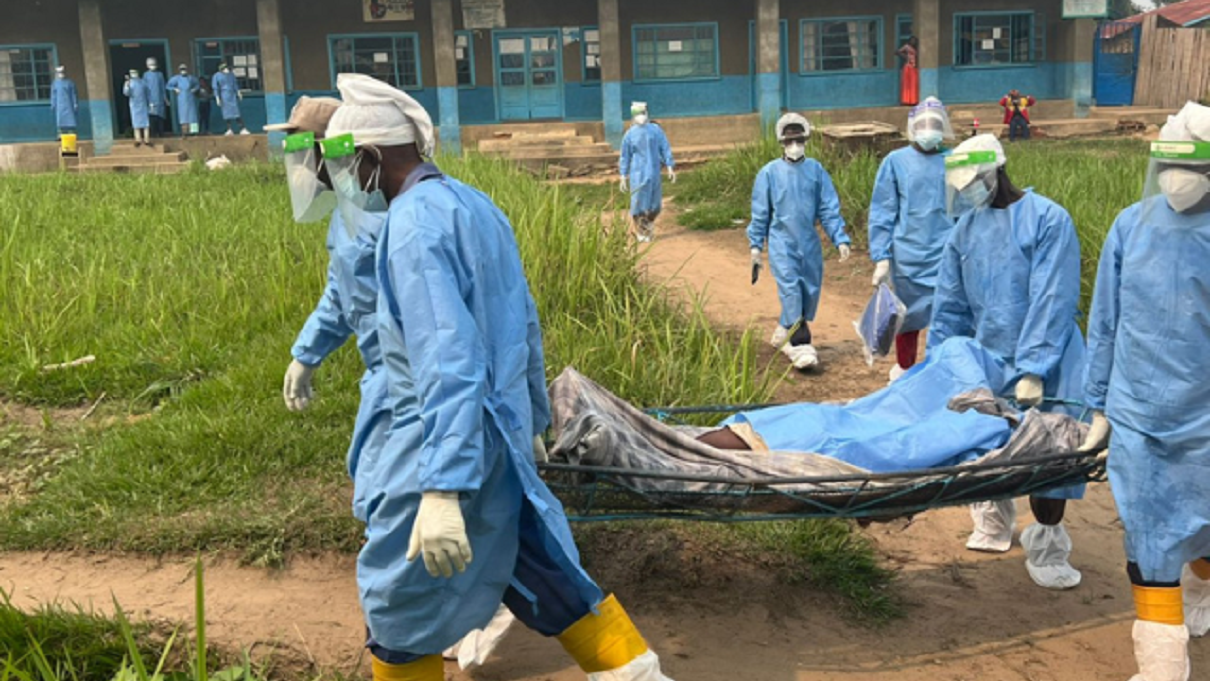
The Ebola Bundibugyo outbreak in the Democratic Republic of the Congo (DRC) is now the deadliest the country has ever faced, the UN’s World Health Organization (WHO) said on Monday.
According to local authorities, the disease has killed 2,325 people, surpassing the 2,299 deaths recorded in the DRC’s 2018-2020 outbreak, which was previously the country’s deadliest.
The outbreak, declared by national authorities on 15 May, became the country’s largest in terms of total confirmed cases in late July. There are currently 4,945 confirmed cases, the latest data shows.
A total of 730 patients remain in isolation or in the hospital, and 1,040 people have recovered from the disease, and the fatality rate has risen to 46 per cent, according to government data.
The current outbreak remains eclipsed only by West Africa’s 2014-2016 Ebola outbreak, which saw 28,616 cases and 11,310 deaths, but the Bundibugyo outbreak is taking lives at a much faster rate.
Vaccine trials are underway in the UK and Canada, as the strain has no approved treatment.
Inadequate health infrastructure, ongoing conflict at the epicentre of the outbreak and distrust of medical authorities have all hindered efforts to help as WHO warns the outbreak is “outpacing the response.”
The UN and its global health partners are working to prevent the spread of Ebola to neighboring countries such as South Sudan and the Central African Republic.
In early June, WHO and the Africa Centres for Disease Control and Prevention launched a response plan to improve emergency coordination, disease surveillance, laboratory testing, infection prevention and control, clinical care, community engagement, research, logistics, and support for essential health services across the continent.
The UN’s humanitarian aid office, OCHA, has allocated $54.5 million to accelerate the response in the DRC, help prepare neighboring countries for the disease’s possible spread and work with local communities to build trust in the public health response.
In the Central African Republic, the UN’s peacekeeping mission, MINUSCA, is teaming up with several UN agencies to support local authorities through technical help, surveillance, preparedness efforts, communication and community outreach, as well as capacity building, said UN Spokesperson Stéphane Dujarric.
“Our peacekeeping colleagues in the country have been providing technical and logistical assistance, including the transportation of health experts throughout the CAR and the delivery of essential equipment and supplies,” said Dujarric.
WHO spokesperson Tarik Jašarević told UN News the agency has initiated a “major scale-up in every aspect of the response” to Ebola.
On Friday, WHO convened a meeting in Bangui between representatives from the Central African Republic, DRC, Republic of the Congo, South Sudan and Uganda.
The countries agreed to strengthen cooperation in disease surveillance and pandemic preparedness.
WHO said last week that it hopes to reverse the fast-moving spread of Ebola within three months by bringing transmission under control.
The agency said support is still needed “for all areas of the response.”
“Responders need safe access to communities, and the resources to end this outbreak and save lives,” WHO said.


Leave a Reply