

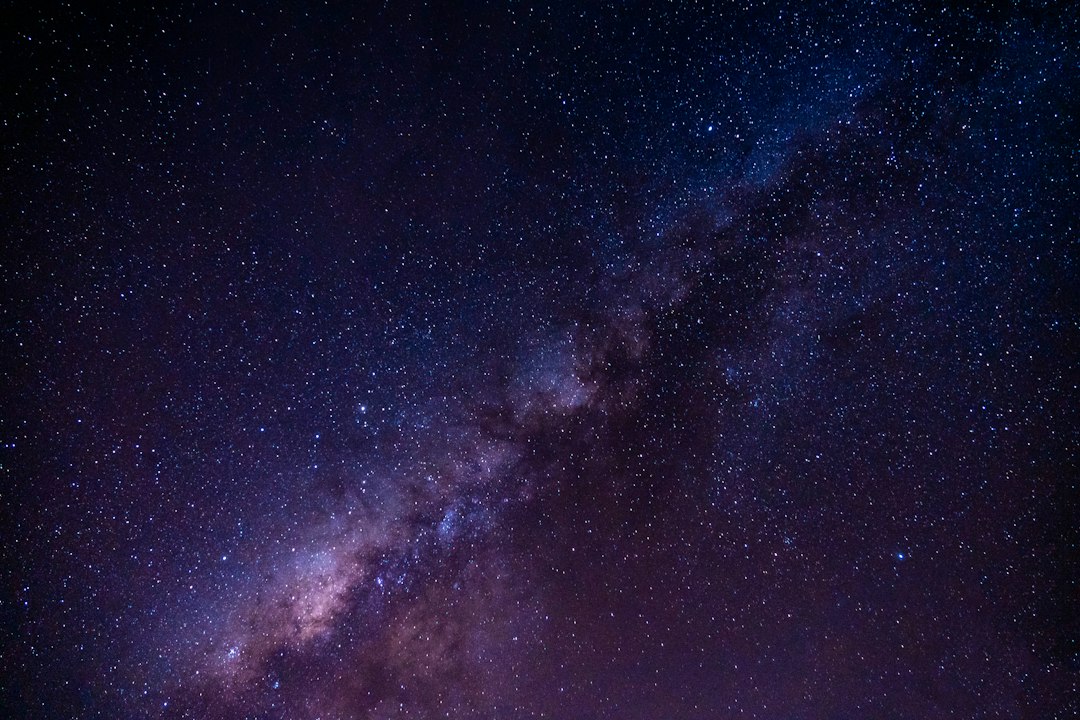
PISCATAWAY, N.J. — The Leonid meteor shower, one of the best-known sky shows of the fall, reaches its peak the night of Nov. 16-17, giving New Jersey stargazers a reason to bundle up and head somewhere dark after midnight.
NASA lists the shower as active from Nov. 6 to Nov. 30 this year, with the peak overnight Monday into Tuesday. The agency calls the Leonids a major shower, though it cautions that in an ordinary year rates can be as low as about three meteors per hour under dark skies. What the Leonids lack in volume they make up for in speed: NASA clocks them at roughly 44 miles per second, among the fastest meteors of the year.
The meteors are debris left behind by comet 55P/Tempel-Tuttle. Roughly every 33 years, Earth plows through a denser stream of that debris and produces a Leonid storm, with hundreds to thousands of meteors an hour. This year is not a storm year, but the shower remains a reliable autumn tradition for skywatchers.
The Moon will be a factor. The American Meteor Society says it will be a 39% illuminated waxing crescent on peak night and notes that moonlight may hide fainter meteors while the Moon is above the horizon.
NASA recommends starting around midnight local time, getting well away from city and street lights, and bringing a sleeping bag, blanket or lawn chair for the cold. Lie flat with your feet toward the east and take in as much sky as possible. Give your eyes about 30 minutes to adjust, and be patient: NASA says the show lasts until dawn. Although the meteors appear to come from the constellation Leo, the agency advises looking away from that point, where the streaks appear longer.
November also brings the Northern Taurids, which the American Meteor Society says peak the night of Nov. 11-12 under a 4% illuminated crescent Moon, which it calls very favorable conditions.
For those who would rather look through a telescope, Rutgers University’s Robert A. Schommer Astronomical Observatory, in the rooftop dome of Serin Physics Laboratories on Busch Campus, holds free public open viewing nights on the second, third and fourth Thursdays of each month from 8:30 to 10:30 p.m. That schedule includes Nov. 12 and Nov. 19. Rutgers says sessions are canceled if skies are cloudy when observing begins. Visitors enter through the west-end doors facing Allison Road and go to the fourth floor; parking is in Lot 53 or 53A, and the university advises obtaining an electronic parking permit in advance.
Details
When: Leonids peak the night of Nov. 16-17, best after midnight; shower active Nov. 6-30. Rutgers open viewing nights Nov. 12 and Nov. 19, 8:30-10:30 p.m., weather permitting.
Where: Any dark location away from lights; Rutgers’ observatory is atop Serin Physics Laboratories, Busch Campus, Piscataway (Middlesex County).
Cost: Free.
Event information · Rutgers open viewing nights


Leave a Reply