

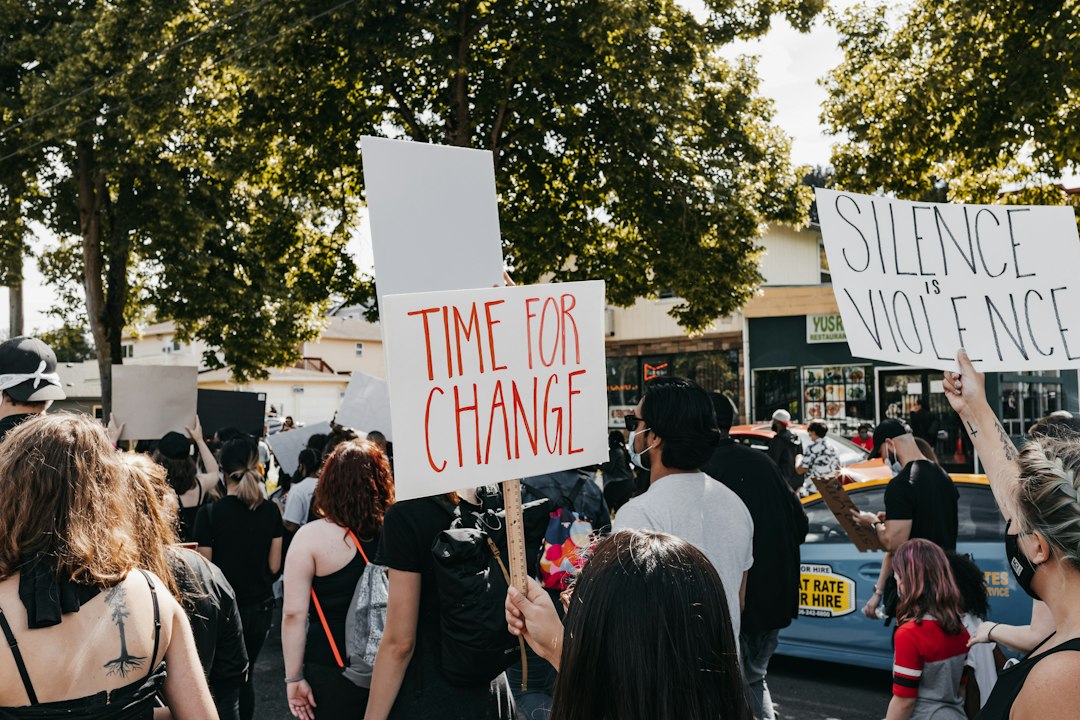
JERSEY CITY, N.J. — Residents and environmental advocates rallied Thursday outside U.S. Sen. Andy Kim’s district offices in Jersey City and Barrington, urging the New Jersey Democrat to vote against a federal permitting bill that they say would speed construction of artificial intelligence data centers and the fossil fuel infrastructure that powers them, according to the environmental group Food & Water Watch.
The group said dozens of people took part in the demonstrations, which targeted the Bipartisan American Affordability and Jobs Act, known as BAAJA. Supporters bill the measure as permitting reform. Food & Water Watch called it the largest deregulatory attack on federal environmental law since those laws were enacted in the 1970s.
Although Kim has expressed reservations about the controversial facilities, he voted to advance the permitting bill that weakens environmental protections from the 1970s and accelerates the construction of massive AI data centers along with the fracked-gas power plants and pipelines needed to power them.
Senators released a last-minute amendment to the Bipartisan American Affordability and Jobs Act, aka the permitting bill. While the changes include some improvements, they fail to address core problems.
According to the group, the rally came after Kim voted Monday to advance the bill in the Senate. Final Senate votes are expected in the coming days, the group said.
Environmental groups, Tribal Nations, and organizations like the Native American Rights Fund and Earthjustice strongly oppose the legislation.
They argue that BAAJA severely curtails Tribal consultation rights and sovereignty, weakens bedrock public input and environmental safeguards, and locks in fossil fuel and mining projects
Food & Water Watch contends the legislation would weaken key parts of the Clean Water Act, the National Environmental Policy Act, the Endangered Species Act and the National Historic Preservation Act, and would all but guarantee approval of data centers and fossil fuel projects regardless of local opposition.
“This pro-polluter bill is directly linked to Big Tech’s goal of ramping up data center construction in New Jersey,” said Matt Smith, New Jersey state director for Food & Water Watch. “Many data centers are already breaking state and federal laws and keeping the public in the dark about the impacts.”
Jason Howell of the Pinelands Alliance pointed to a facility in Cumberland County.
“Passing permitting reform legislation would facilitate more Big Tech billionaires operating unpermitted data centers like Data One in Vineland, which continues to illegally pollute our air with deadly nitrogen oxide pollution,” Howell said. “Kim must vote for the people, not corporations.”
The characterization of the Vineland facility is the group’s; the release did not include a response from the company or from Kim’s office.
Food & Water Watch is a Washington-based nonprofit that campaigns against fossil fuel expansion and, increasingly, the construction of large data centers.
BAAJA, under the pretext of a permitting reform package, undermines Tribal sovereignty and the rights of Alaska Native Corporations, weakens our environmental laws and limits the public’s ability to both provide input and challenge decision-making.
The bill’s Manager Amendment does not sufficiently address these impacts. And the bill is moving through Congress fast.
“The words ‘bipartisan,’ ‘American,’ ‘affordability,’ and ‘jobs’ altogether insinuate taking care of our communities. But the Bipartisan American Affordability and Jobs Act does anything but that,” said Kimberley A. Strong, the board chair of the Alaska Native Tribal Health Consortium.
BAAJA includes multiple provisions that would undermine endangered species protections. The federal government has a core duty to ensure its actions will not jeopardize imperiled wildlife, but BAAJA would allow it to delegate this duty to states. Most states lack the resources and expertise to play this role.
BAAJA weakens the Clean Water Act in a variety of ways. It would make it easier for industry and developers to fill wetlands and other waters rather than pursuing other available alternatives. It seriously limits states’ and Tribes’ authority to protect their waters from harmful federal projects. And it extends the duration of water pollution permits, meaning that permitting authorities would have to wait longer before mandating new techniques for treating hazardous water pollutants like PFAS.
The NAACP raised concerns about the bill, emphasizing implications that the legislation could have on Black communities and others already facing disproportionate exposure to pollution.
“Let’s be clear–naming a piece of proposed legislation ‘Bipartisan’ doesn’t actually make it good for the American people. Senate leaders should be prioritizing what’s best for their constituents, not what appeases their colleagues across the aisle,” said Abre’ Conner, NAACP Director of Environmental and Climate Justice. “The NAACP strongly opposes BAAJA because we should not rush through a decision that directly threatens the health, safety, and future of Black and frontline communities.”
“This bill puts our community and our planet’s health in the hands of billionaires and their interests,” said Conner. “We refuse to let our future be determined by corporate polluters and people who seem more aligned with them than people who live in sacrifice zones.”


Leave a Reply